
From plans to completion.
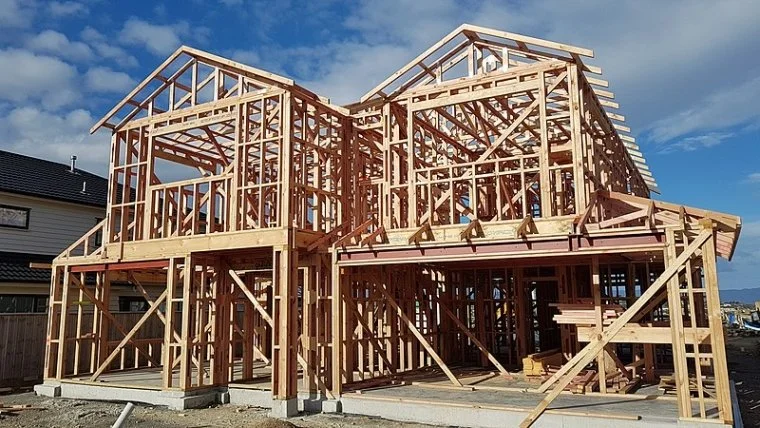
Building a home is an exciting journey, but it can also feel overwhelming. No matter what type of building project you’re planning, I’m here to help you understand the mortgage process and make it easier.
A construction loan works differently from a standard home loan, with finance often released in stages as your build progresses. I'll help you understand how the lending works and what you'll need to get your project underway.
Turn-key construction loans
A turn-key build is a new home purchased from a builder at an agreed price, with the majority of the payment made when the home is completed. Because the builder manages the construction, there are generally no progress payments for you to manage during the build.
Why choose a turn-key build?
You don’t need to make progress payments during construction
You can keep paying your existing rent or mortgage while your new home is being built
You get a brand-new home at a fixed price
Many builders offer turn-key packages with a set price, making budgeting easier. If you're considering a turn-key build, I can help you get mortgage pre-approval before you start shopping, so you have a clearer idea of what you can afford.
Construction loans for new builds
If you're buying land and building your own home with the help of a building company, the finance works differently from a standard home loan.
Start with a mortgage broker (that’s me!)
Let’s work out your budget first — including a buffer for potential cost overruns — so you can be confident you can afford your build repayments.Find your land
Depending on the location and type of site, your lender may require a Geo-Technical (Geo Tech) report to assess the land.Plan your build
Work with your building company to design your dream home and make sure it fits the land. I can also recommend reputable builders if you need.Get your plans consented and approved
Once approved and within budget, construction can begin.Manage progress payments
Building loans usually release funds in stages as your home is built. You’ll need to budget for repayments throughout this period.Important: Your lender may retain part of the construction loan until the build is completed and the required final inspections and Code Compliance Certificate (CCC) have been provided. Requirements vary between lenders.
Why work with Martin on your construction loan?
Building a new home involves more than choosing a builder and signing a contract. Your finance needs to be structured correctly from the beginning, and unexpected costs can quickly put pressure on your budget.
I've personally managed many building projects and understand the challenges that can come with building a home. I'll help you work through the finance, understand the construction loan process and deal with the lender as your build progresses.
From your initial pre-approval through to the final drawdown, I'll be there to help keep your finance on track.
Ready to start building?
Talk to Martin About Your Construction Loan Today.
I'll help you understand the finance, work through the numbers and guide you from pre-approval through to completion.
Construction loan FAQs
-
A construction loan is a type of home loan used to finance the building of a new home. Unlike a standard mortgage, the loan is generally released in stages as construction progresses. These payments are known as progress payments or drawdowns.
I can help you understand how construction lending works and what your lender will require before you start building.
-
The deposit you need will depend on your circumstances, the cost of the land and build, your income, existing debts and the lender's lending criteria.
In some situations, you may be able to use equity in an existing property as part of your contribution.
I'll assess your overall position and explain what may be achievable.
-
With a construction loan, the lender generally releases the approved funds in stages as your building work progresses.
Your builder will provide the relevant invoices or payment claims, and the lender will release funds according to the agreed construction loan structure.
I'll help you understand the process and what your lender will require at each stage.
-
Many lenders prefer or require a fixed-price building contract when approving construction finance.
This gives the lender greater certainty about the total cost of the project. Requirements can vary between lenders, so I'll explain what your chosen lender needs before you commit to your building contract.
-
Yes. Construction finance can be used to fund a new home build, subject to meeting the lender's requirements.
The lender will generally assess your income, deposit or available equity, building contract, plans, land and the overall cost of the project.
I'll help you work through these requirements before construction begins.
-
Yes, in many cases you can get an indication of your borrowing capacity before you have chosen your section or finalised your building plans.
Getting your finance position sorted early can help you understand your budget before committing to land or a building contract.
-
With a turn-key build, you generally agree to purchase a completed new home from a builder, with the majority of the payment made when the property is finished.
With a construction loan, finance is generally released in stages as your home is being built, and you make progress payments during construction.
I'll explain the differences and help you work out which option may suit your circumstances.
-
This is an important consideration before starting a build.
If construction costs increase, you may need to contribute additional funds yourself or apply to increase your lending, subject to the lender's approval.
That's why I recommend allowing a buffer in your construction budget for unexpected costs before construction begins.
-
Potentially. If you already own a property and have sufficient equity, that equity may be able to contribute towards the land purchase or construction costs.
The lender will also consider your income, existing lending and the total cost of your new project.
-
Once construction is complete and the lender's final requirements have been satisfied, your construction loan will generally transition into a standard home loan.
The exact process and requirements vary between lenders. Your lender may require final inspections and documentation, including a Code Compliance Certificate (CCC).
-
Possibly, depending on your circumstances and the lender.
Your available deposit, equity, income, existing debts, land value and total construction cost will all be considered.
Low-deposit construction lending can have additional requirements, so it's important to discuss your options before signing a building contract.
-
The best place to start is with your mortgage broker before committing to land or a building contract.
I'll look at your income, deposit, existing lending and proposed project to help establish a realistic budget. From there, we can work through your land, build and finance options.
-
Talk to Martin About Your Construction Loan Today
I'll help you understand the finance, work through the numbers and guide you from pre-approval through to completion.